
From 5,900 to 2,900 words: rethinking a residential lease template
NEB’s residential lease template had been used for years, but no one knew exactly where it came from – and no one felt comfortable changing it. We rebuilt it from the ground up, cutting outdated, unnecessary and ineffective provisions and developing new standards together with NEB’s real estate team.
The client.
NEB is a Berlin-based railway infrastructure and transport company. In addition to the properties used for its own operations, NEB manages its own real estate portfolio, including around 70 residential units that it lets to third parties..
What the matter was about.
NEB’s residential lease template had been in use for years without anyone being certain where it came from or when it had last been reviewed. Provisions had been carried forward rather than questioned, and the team using the lease was reluctant to change it.
The task was therefore not simply to redraft a document. Together with NEB’s real estate team, we had to establish which standards should apply to the residential portfolio, what could be simplified or removed, and how the template should work in day-to-day use.
How we worked
The process, step by step.
-
Initial Review
Review of the existing lease template, including its structure, individual provisions and practical use by NEB’s real estate team.
-
First Draft
Fundamental revision and simplification of the existing template and development of a first draft reflecting the new standards.
-
Stakeholder Alignment
Review of the draft with NEB’s real estate team, discussion of open points and alignment on the new leasing standards.
-
Finalisation
Implementation of the agreed changes and finalisation of the new residential lease template.
-
Schedules & Annexes
Preparation and alignment of the schedules and supporting documents for use together with the new template.
What changed.
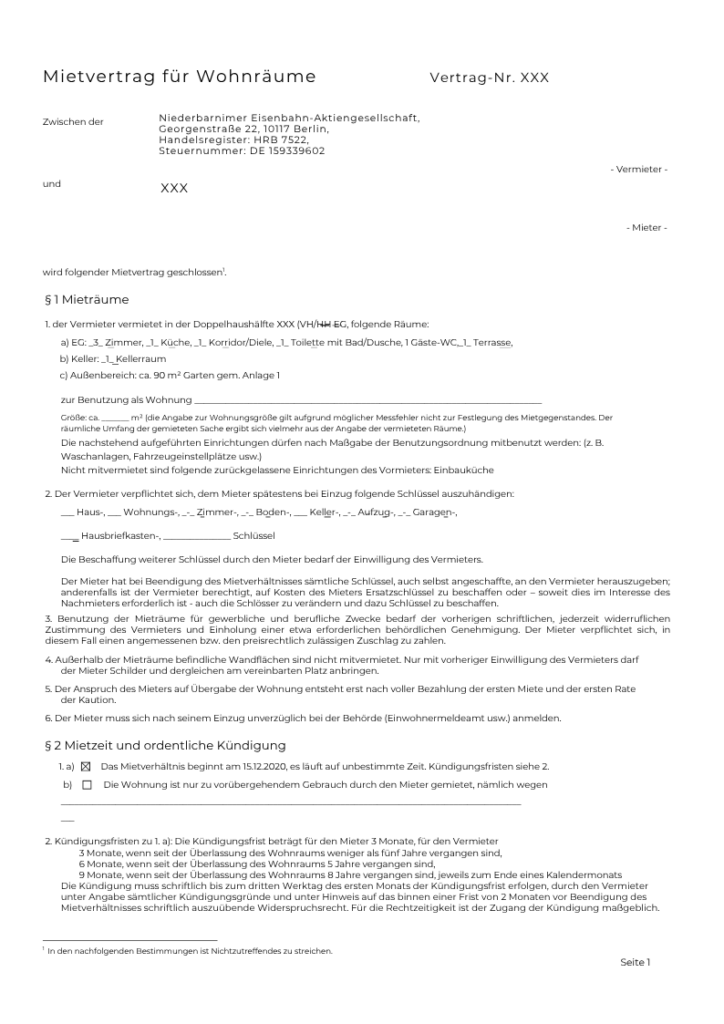
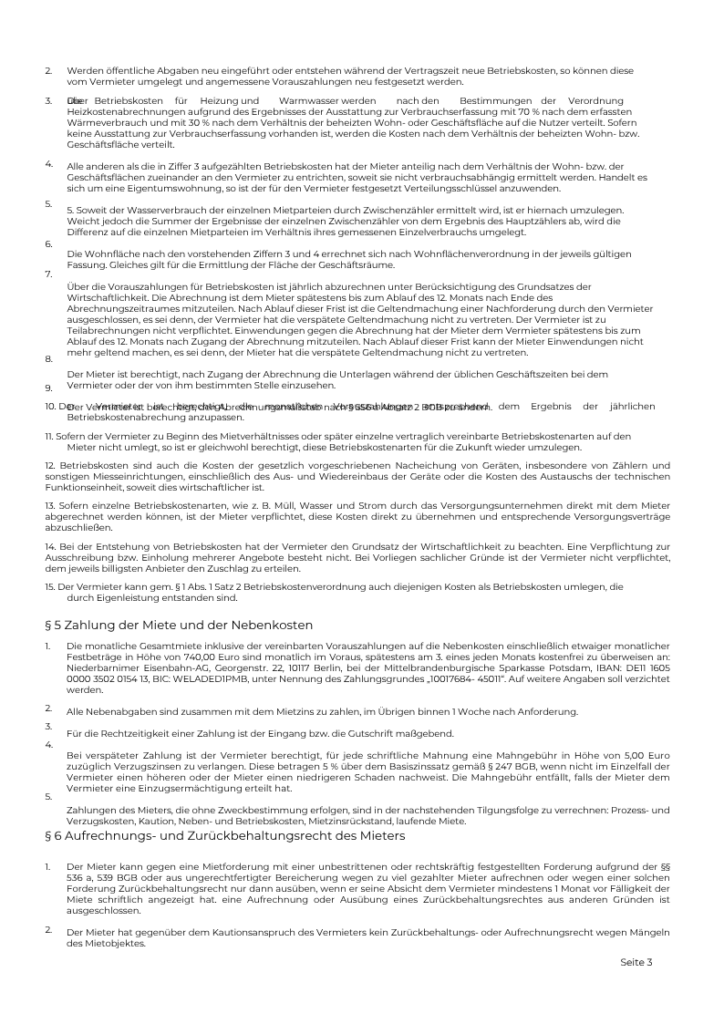
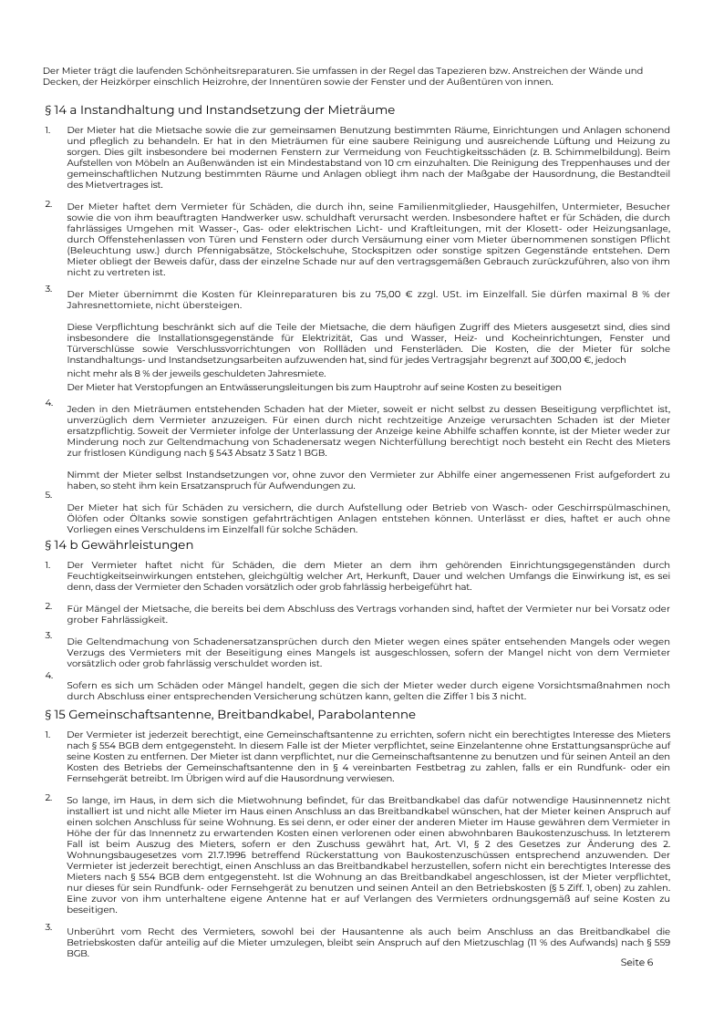
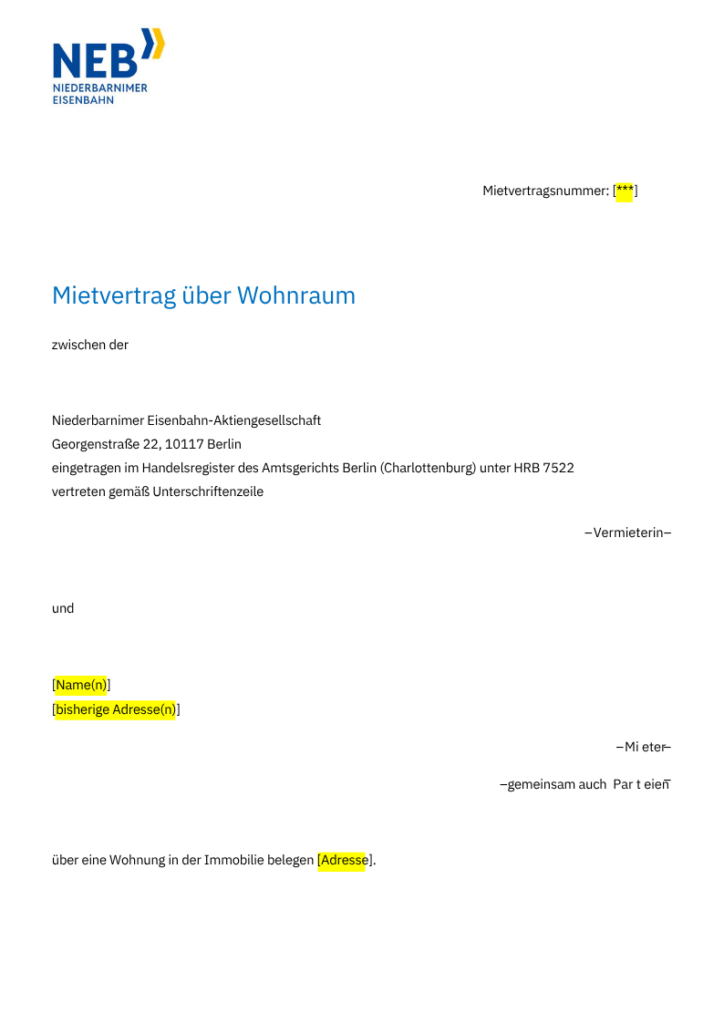
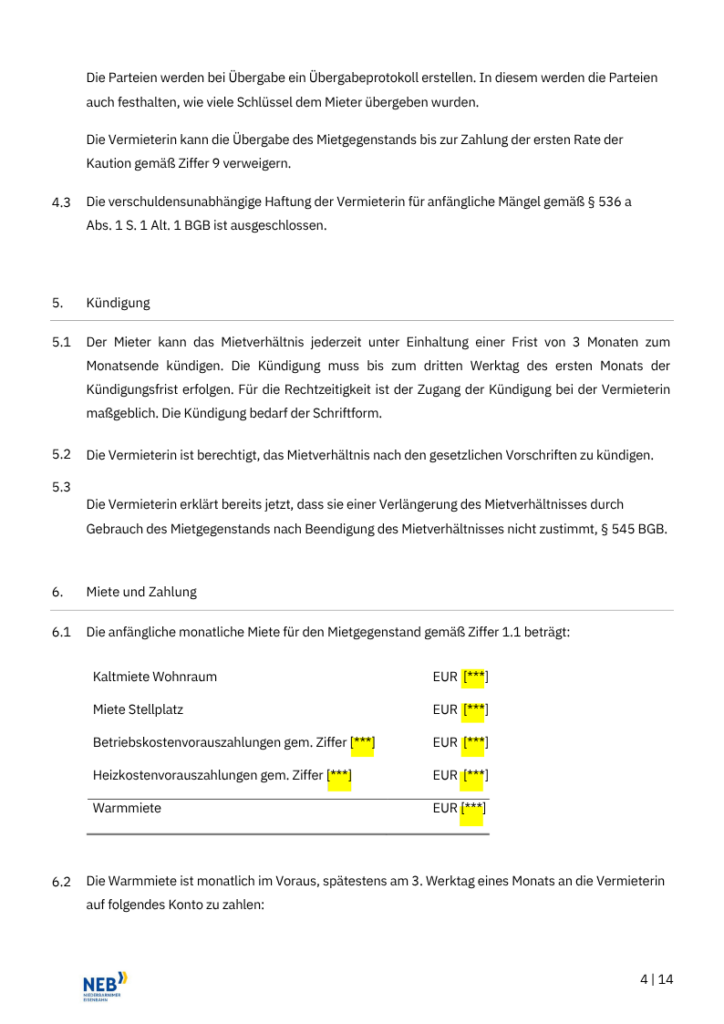
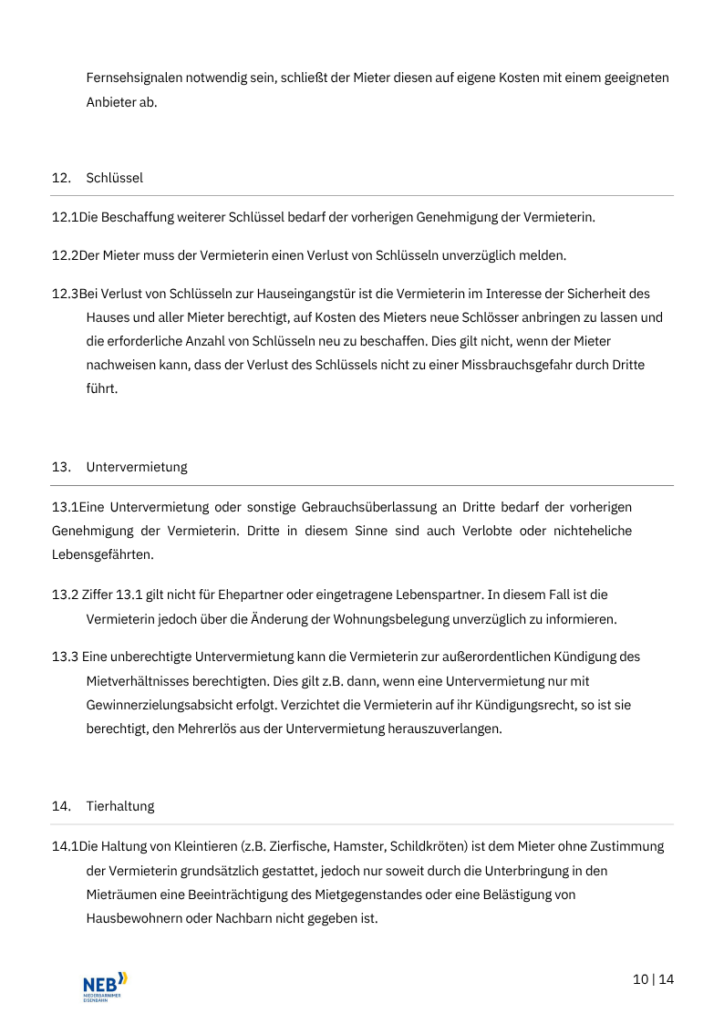
Less contract. More clarity.
NEB’s new residential lease template went from around 5,900 to 2,900 words. We removed outdated, unnecessary and ineffective provisions, simplified the remaining content and introduced clear standards developed together with the people who actually use the lease.
Applying Legal Design principles, we also reworked the structure and visual presentation and incorporated NEB’s corporate identity. The result is a legally robust, significantly leaner and more intuitive template that gives NEB’s real estate team greater confidence in its day-to-day use – and a clear basis for future leases.
FAQ
Questions on this kind of work.
-
How do I know if my existing lease template needs an overhaul?
Typical warning signs are that no one knows when or by whom the template was last reviewed, different versions are circulating, users are reluctant to make changes, or provisions have simply been carried forward for years without anyone questioning whether they are still necessary or effective. In that case, it is often worth reviewing not only individual clauses, but the template as a whole.
-
How long does it take to revise a lease template?
For NEB, the entire process from the initial review to the final template took around one month. The timeline depends on the quality of the existing template, the extent of the required changes, the number of stakeholders involved and how much internal alignment is needed.
-
Does a shorter lease mean less legal protection?
Not necessarily. Length and legal protection are not the same thing. Lease templates often accumulate provisions over time that are outdated, redundant, duplicated or simply unnecessary for the relevant portfolio. A good review identifies what genuinely protects the landlord’s position – and what can be simplified or removed without losing substance.
-
Who should be involved in revising a lease template?
A good lease template should reflect both the legal requirements and the way leases are actually handled in day-to-day business. The people who prepare, negotiate and manage the leases should therefore be involved in the process. Their practical experience helps identify recurring issues, unnecessary provisions and areas where clearer standards are needed.
Working on something similar?
Tell us what you are working on and where you need support.